Efficient Disinfection: Strategies to Eliminate Germs and Bacteria in Domestic Environments
The Silent Threat of Germs in Our Homes
Every home harbors an unseen world of germs and bacteria, often lurking on surfaces we touch daily. The rise of infectious diseases has made it essential to practice efficient disinfection in our domestic environments. This article will explore strategies to keep your living spaces safe and healthy.
Common Germ Hotspots
In many households, certain areas become breeding grounds for harmful micro-organisms. Pay special attention to:
- Kitchen countertops: These surfaces often come into contact with raw food, making them a hotspot for bacteria like Salmonella and E. coli. A simple wipe with soap and water is not enough; a dedicated disinfectant can eliminate these pathogens effectively.
- Bathroom fixtures: With multiple family members using the bathroom, items such as faucets, toilet handles, and shower walls can accumulate a high number of germs. Research shows that restrooms can harbor around 20 times more bacteria than other areas of your home.
- Light switches and doorknobs: These high-contact surfaces can harbor up to millions of germs if not cleaned regularly. In communal settings, they can transfer pathogens from one person to another, particularly during flu season.
Understanding where these hotspots are can help you allocate your cleaning efforts more effectively, thereby creating a safer environment for everyone in the house.
Essential Disinfection Strategies
To effectively combat germs, implement the following strategies:
- Use appropriate disinfectants: Select products that are effective against a range of bacteria and viruses. Look for those approved by reputable health organizations to ensure they meet safety and efficiency standards.
- Establish a routine cleaning schedule: Regularly wiping down surfaces can prevent the accumulation of harmful bacteria. Aim to disinfect high-touch areas at least once a week to maintain a hygienic environment.
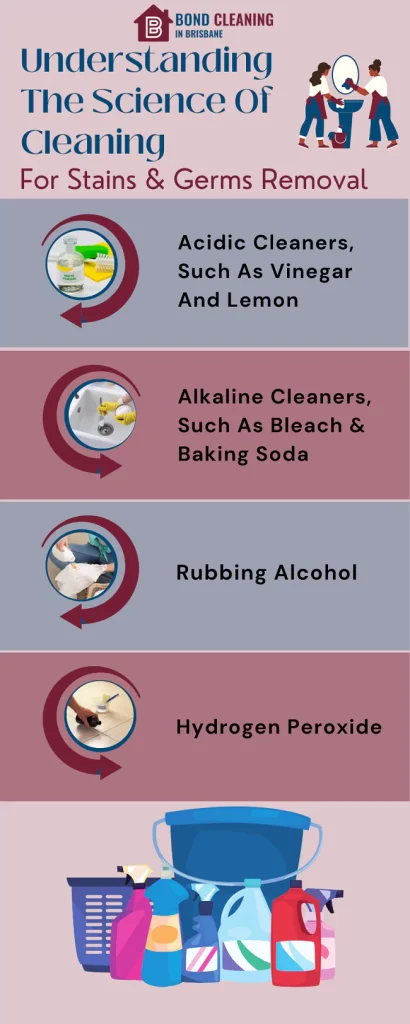
- Incorporate natural remedies: For those concerned about household chemicals, natural solutions like vinegar and baking soda can offer eco-friendly alternatives for disinfection. Mixing these simple items can create an effective cleaner for many surfaces.
By adopting these practices, you can significantly reduce the risk of infections and create a safer haven for your family.
The Need for Awareness
In Nigeria, the awareness of proper disinfection methods can often be the difference between health and illness. Community campaigns and health workshops can serve as essential platforms to educate families about effective disinfection techniques. For instance, during the rainy season, increased humidity can promote mold growth, making it critical to educate households on how to maintain dry, clean environments that deter such health risks.
Exploring efficient disinfection strategies will empower you to take control of your home’s hygiene. As global health challenges continue to evolve, staying informed and applying simple yet effective disinfection techniques is vital in safeguarding your loved ones against unseen threats. Make disinfection a priority in your daily routine, and turn your home into a sanctuary of health and well-being.
RECOMMENDED: Check out this similar article
Effective Practices for Household Disinfection
In the quest for a germ-free home, understanding the right practices for efficient disinfection is crucial. The foremost step is identifying the correct products and methods tailored to our domestic environments. This involves not only selecting effective disinfectants but also employing techniques that ensure thorough cleanliness.
The Power of Disinfectants
Effective disinfection starts with the right choice of products. Not all cleaning agents are created equal, and relying on basic soap and water often falls short against more resilient pathogens. When selecting a disinfectant, consider:
- Broad-spectrum efficacy: Look for disinfectants that are tested for effectiveness against a wide range of bacteria and viruses, including Influenza and Norovirus, which are common culprits in household infections.
- Safety for household use: Choose disinfectants that have safety profiles suitable for domestic use. Always check for products that are certified by health organizations, such as the World Health Organization or local Nigerian health authorities.
- Application methods: Some disinfectants must be left on surfaces for a specific amount of time to be effective. Read labels carefully to understand the right application methods.
Using the right products can significantly enhance disinfection efforts, particularly in homes where children, elderly individuals, or immunocompromised persons reside.
Cleaning Procedures that Matter
Disinfection is only as effective as the procedures employed. To maximize the impact of your cleaning efforts, follow these steps:
- Prioritize high-touch surfaces: Surfaces like countertops, remote controls, and bathroom fixtures, which are frequently handled, require more attention. Focus your disinfection efforts on these areas to effectively reduce the spread of germs.
- Pre-clean before disinfecting: Before applying a disinfectant, ensure surfaces are free from dirt and debris. This two-step approach boosts disinfectant efficacy, as dirt can hinder the action of active ingredients.
- Use disposable cleaning materials: Employ disposable wipes or cloths when cleaning to prevent cross-contamination. For reusable items, ensure that they are laundered properly after each use.
These practices not only enhance the effectiveness of disinfection but also create an ambience of safety, thereby instilling confidence within the household.
Educating the Household
Beyond employing the right disinfectants and cleaning practices, it’s essential to foster an awareness of hygiene in the home. Educating family members about the importance of personal hygiene and the proper use of disinfectants can transform your household into a stronghold against infections. Regular discussions about health practices can create a collective responsibility toward maintaining a clean living environment.
As we delve deeper into the notion of efficient disinfection, it becomes paramount to embrace these strategies for a healthier lifestyle. In the face of ongoing global health challenges, adopting informed cleaning habits can significantly bolster our defense against harmful germs and bacteria that threaten our wellbeing.
| Category | Description |
|---|---|
| Effective Cleaning Agents | Utilizing antimicrobial cleaners that target a broad range of pathogens enhances sanitization. |
| Surface Disinfection Techniques | Employing methods such as spray-and-wipe or fogging maximizes germ elimination across surfaces. |
In enhancing the understanding of efficient disinfection, it is imperative to recognize the role of cleaning agents. Agents that are designed to neutralize harmful bacteria can significantly reduce the microbial load in homes. It’s also essential to observe the correct dwell time; disinfectants must remain on surfaces for a specified period to effectively kill germs. Furthermore, consistent application of surface disinfection techniques, such as spray-and-wipe or fogging, ensures that every corner of your domestic environment is attended to. Such techniques not only save time but also encourage thoroughness in cleaning routines, a crucial factor in the fight against disease transmission.To achieve optimal outcomes, coupling these methodologies with regular cleaning schedules forms an integral part of a robust sanitation strategy. By understanding these dynamics, homeowners can create a safer and healthier living environment conducive to well-being. Consider adopting advanced technologies such as UV light sterilization and high-efficiency particulate air (HEPA) filters to further enhance disinfection efforts within your home.
YOU MAY ALSO LIKE: Read read another article
Innovative Technologies in Disinfection
As technology advances, the realm of disinfection is witnessing groundbreaking innovations. Understanding and integrating these advancements into household practices can vastly improve the efficiency of germ elimination. From automated devices to scientifically formulated products, there’s much to explore in today’s market.
UV-C Light Technology
One of the most promising advancements in efficient disinfection is the use of UV-C light technology. UV-C light is capable of destroying bacteria and viruses by breaking down their DNA, rendering them inactive. Here are some practical points about this technology:
- Portable Devices: Compact and portable UV-C sanitizers have become available for personal use, allowing families to disinfect small items such as phones, keys, and masks quickly.
- Whole Room Solutions: For a more extensive approach, UV-C light systems are produced that can disinfect entire rooms in a matter of minutes. These systems can be particularly beneficial in homes with high traffic or shared spaces, rendering the environment safer against pathogens.
- Safety Measures: While UV-C technology is highly effective, it is essential to use it responsibly. Direct exposure to UV-C light can harm skin and eyes, hence devices should be operated with care and precautions.
Electrostatic Disinfection
Another revolutionary method emerging in the field of disinfection is electrostatic spraying. This technique allows disinfectants to adhere evenly to surfaces, covering even hard-to-reach areas with remarkable efficiency:
- Enhanced Coverage: Electrostatic sprayers charge disinfectant droplets, allowing them to attract and stick to surfaces, ensuring full coverage and reducing the chance of missed spots compared to traditional spray methods.
- Time-Efficiency: This method not only enhances coverage but also reduces time spent on disinfection, making it an appealing option for busy households aiming to save time without compromising on hygiene.
- Eco-Friendly Options: Many electrostatic disinfectants are formulated to be safe for both family members and the environment, making this advanced technology suitable for conscientious consumers.
Nano-Technology in Cleaning Products
The incorporation of nano-technology is another exciting trend in cleaning and disinfection. Products formulated with nano-particles can penetrate surfaces at a molecular level, providing a deeper clean. Consider the following:
- State-of-the-Art Formulations: Some device manufacturers now offer cleaning agents that employ nano-particles to ensure long-lasting protection against bacteria by embedding themselves into surfaces.
- Extended Efficacy: Nano-technology not only improves the immediate kill rate of pathogens but can also leave a protective barrier that continues to work even after the cleaning process has ended.
- Consumer Awareness: With more awareness around the importance of safe and efficient disinfection, consumers in Nigeria are encouraged to seek out products leveraging this cutting-edge technology to ensure a germ-free environment.
Natural Disinfection Alternatives
For those who prefer using less aggressive substances, methods based on natural ingredients have gained prominence and effectiveness:
- Vinegar and Baking Soda: Both substances possess mild antiseptic properties and can be combined to tackle grime. Their safer profile makes them ideal for households with children and pets.
- Essential Oils: Some essential oils, such as tea tree oil and eucalyptus oil, are known for their antimicrobial properties and can be incorporated into cleaning routines for added protection.
- Promoting Sustainability: By opting for natural cleaning solutions, households can contribute to reducing chemical pollution, making eco-friendly choices essential in today’s context.
By integrating these innovative technologies and natural alternatives, homes can achieve a higher standard of cleanliness and safety, reinforcing our ongoing commitment to combatting germs and protecting our loved ones from infectious threats. The integration of both modern techniques and traditional wisdom allows for a comprehensive approach to efficient disinfection in domestic environments.
YOU MAY ALSO LIKE: Read read another article
Conclusion: The Path to a Germ-Free Home
In today’s world, where the battle against germs and bacteria has become paramount, adopting efficient disinfection strategies is essential for safeguarding our homes and loved ones. This journey toward a cleaner environment is paved with numerous approaches, including innovative technologies like UV-C light, electrostatic spraying, and nano-technology, as well as natural alternatives like vinegar and essential oils. Each of these options plays a vital role in not just eliminating pathogens but also promoting health and sustainability in our households.
It’s crucial to stay informed and vigilant; understanding and integrating advanced disinfection methods can significantly elevate our hygiene standards. In addition, considering eco-friendly alternatives aligns with the global movement toward sustainability. As consumers in Nigeria explore these diverse options, they are not only investing in a cleaner home but also contributing to a healthier planet.
Ultimately, achieving a germ-free environment is an ongoing commitment. Whether through the adoption of cutting-edge devices or embracing time-tested natural solutions, each household can tailor its disinfection strategies to best fit its unique needs. The key lies in remaining proactive, informed, and adaptable. As we continue to face new challenges in health and hygiene, embracing a comprehensive approach to efficient disinfection will ensure that our homes remain sanctuaries of safety and well-being.