
Eco-friendly Cleaning Techniques: How to Use Natural Ingredients to Keep Your Home Clean and Healthy
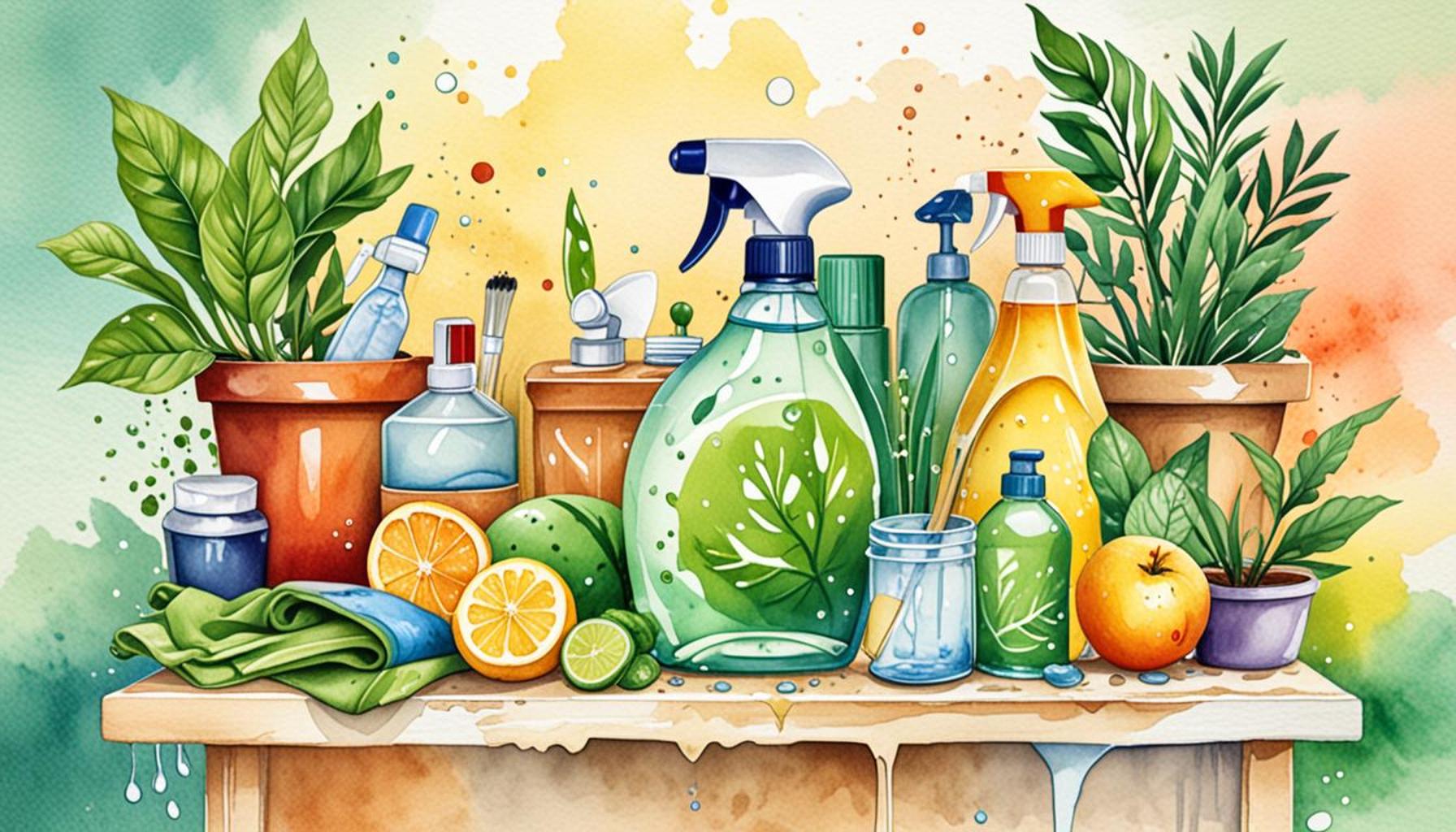
Discover Natural Cleaning Solutions
The journey towards a clean and healthy home can begin right in your kitchen. Many of the ingredients you need to maintain a sparkling environment are already at your fingertips. Why not harness the power of nature to keep your space tidy? Embracing the use of natural cleaning solutions not only facilitates cleanliness but also creates a healthier environment for you and your family.
Using eco-friendly cleaning techniques offers a multitude of benefits that resonate deeply in every household. Among the myriad advantages, consider the following:
- Reduced exposure to toxic chemicals: Many conventional cleaning products contain harsh chemicals that can irritate the skin or respiratory system. By switching to natural alternatives, you minimize health risks.
- Lower environmental impact: Traditional cleaning products often contribute to water pollution and ecological damage. Natural cleaning methods, made from biodegradable ingredients, are much safer for the environment.
- Cost savings on cleaning products: Many natural cleaners can be created at home using inexpensive materials like vinegar or baking soda, significantly reducing your cleaning expenses.
Across Nigeria, traditional cleaning methods have long incorporated natural ingredients that are both effective and economical. Popular choices include:
- Citrus fruits: Lemons and oranges have strong antibacterial properties. The natural acids in these fruits can effectively cut through grease and grime while leaving a refreshing scent.
- White vinegar: This versatile liquid serves as an excellent disinfectant. It can effectively cleanse surfaces, eliminate odors, and even serve as a fabric softener when doing laundry.
- Baking soda: Known for its scrubbing power and deodorizing abilities, baking soda can help to tackle tough stains and remove unwanted smells from carpets and upholstery.
Incorporating these resources into your cleaning routine not only promotes sustainability but ensures that your living space is safe for your family, especially for the little ones who are more vulnerable to chemical exposure. With a little creativity, everyday ingredients can transform your cleaning regimen into a more eco-conscious practice.
As you delve into the world of natural cleaning, you will discover a variety of simple yet effective methods to achieve a pristine home. For instance, creating a multi-purpose cleaner can be as simple as mixing equal parts of water and white vinegar in a spray bottle and using it to wipe down surfaces. Moreover, adding a few drops of tea tree oil can enhance its antibacterial properties.

Ultimately, embracing these eco-friendly techniques can redefine your cleaning habits. Not only do these methods significantly improve indoor air quality, but they also contribute to a healthier planet. Consider taking the first step towards natural cleaning solutions today, and witness how these small changes can result in a more vibrant living environment.
ADDITIONAL INSIGHTS: Expand your understanding here
Embrace the Power of Natural Ingredients
The foundation of effective eco-friendly cleaning techniques lies in understanding and harnessing the power of everyday natural ingredients. Not only do these substances work wonders in maintaining cleanliness, but they are also non-toxic and biodegradable, making them safe for both your family and the environment. Here, we explore how to utilize some of the most common household items to craft your own cleaning solutions.
One of the greatest advantages of natural cleaning products is their simplicity. Instead of stockpiling an array of commercial chemicals, consider the following key ingredients that can revolutionize your cleaning routine:
- Coconut oil: Known for its moisturizing properties, coconut oil can also be used to polish wooden furniture effectively. Mix it with a little lemon juice for a delightful natural furniture polish that will leave your surfaces shiny and protected.
- Tea tree oil: This essential oil is renowned for its antifungal and antibacterial properties. A few drops added to your cleaning mixture can help combat mold and mildew, making it a powerhouse for bathrooms and kitchens.
- Castile soap: A plant-based soap derived from olive oil, Castile soap is an excellent option for a variety of surfaces, including floors, dishes, and carpets. Its gentle formula makes it suitable for sensitive skin and makes cleaning more enjoyable.
The beauty of these natural ingredients lies not only in their effectiveness but also in their affordability. Many of them can be sourced from local markets, blending traditional Nigerian practices with modern eco-conscious trends. By transitioning to natural options, not only do you save money, but you also support local businesses and promote sustainable living.
With these simple ingredients, various cleaning solutions can be easily blended at home. For example, a custom window cleaner can be created by combining equal parts water, white vinegar, and a few drops of essential oil for a fresh scent. Not only does this mix cleanse your glass surfaces, but it also leaves behind no unpleasant chemical residues.
Moreover, DIY scrubs can be effortlessly concocted using baking soda and a little water. This paste works brilliantly on countertops, sinks, and even bath tiles. The abrasiveness of baking soda ensures tough grime is scrubbed away while being gentle enough not to scratch surfaces.
As you begin to implement these natural cleaning techniques into your everyday routine, you will quickly notice the benefits of a healthier environment. Not only will your home smell fresher, but you’ll also be contributing positively to the planet and reducing chemical exposure for your loved ones. By being informed and proactive about your cleaning choices, you can create a nurturing space that embodies both cleanliness and ecological responsibility.
Exploring Eco-friendly Cleaning Techniques
The shift towards eco-friendly cleaning techniques is not just a trend, but a necessary adaptation to protect our planet and our health. By utilizing natural ingredients, homeowners can maintain cleanliness without the chemical residues often left behind by conventional products. Here are some effective strategies using easily accessible ingredients:
Vinegar: The Natural Disinfectant
Vinegar is a powerhouse when it comes to cleaning. Its acidity allows it to break down dirt and grime effectively. To use it, mix equal parts vinegar and water in a spray bottle and apply it to surfaces like countertops, windows, and floors. Not only does vinegar disinfect, but it also deodorizes, making it a versatile choice for maintaining a fresh home environment.
Baking Soda: Gentle Abrasive
Baking soda serves as an excellent abrasive cleaner while being safe for most surfaces. It can tackle tough stains and eliminate odors. Simply sprinkle it on surfaces such as sinks and tubs, scrub gently, and rinse. This method is effective and eliminates the need to use harsh chemicals, making it a safer option for families, especially those with children and pets.
Lemon Juice: A Natural Bleach
Lemon juice is well-known for its natural bleaching properties. It can brighten whites in laundry and eliminate stains without harming the environment. Additionally, its pleasant scent provides a fresh aroma throughout the house. Combine lemon juice with baking soda for an even stronger cleaning paste to tackle greasy areas.
Essential Oils: Aromatic Cleaners
Incorporating essential oils, such as tea tree, lavender, or eucalyptus, can elevate the cleaning experience. Aside from their delightful scents, many essential oils possess antibacterial properties, making them beneficial to health. Add several drops to homemade cleaning solutions to enjoy their benefits while producing a calming atmosphere.
Olive Oil: Furniture Polish
For a natural furniture polish, consider using olive oil. It can nourish wooden surfaces while providing a shine. Combine olive oil with vinegar in a ratio of 3:1 for an effective polish. This alternative prevents chemical exposure while maintaining the quality and longevity of your furniture.The integration of these eco-friendly cleaning techniques into your routine not only enhances the health of your indoor environment but also contributes positively to the larger ecological footprint. By making these simple, natural adjustments, anyone can take part in creating a healthier, greener home.
| Eco-Friendly Ingredient | Advantages |
|---|---|
| Vinegar | Disinfects and deodorizes surfaces effectively. |
| Baking Soda | Acts as a gentle abrasive that cleans and eliminates odors. |
| Lemon Juice | Natural bleach and stain remover with a refreshing scent. |
| Essential Oils | Provides aromatherapy benefits while acting as a disinfectant. |
| Olive Oil | Natural furniture polish that nourishes and shines wooden surfaces. |
YOU MAY ALSO LIKE: Read read another article
Harnessing the Power of Herbs and Spices
When it comes to eco-friendly cleaning techniques, the potential of herbs and spices is often overlooked. These natural ingredients not only elevate the taste of your meals but also lend themselves beautifully to cleaning applications. With their unique properties, they can be effective in sanitizing your home and leaving it wonderfully fragrant. Here are a few noteworthy examples:
- Lemon: A true powerhouse in the world of natural cleaning, lemon juice can cut through grease and neutralize odors effortlessly. Its high acidity makes it effective for sanitizing surfaces. Combine lemon juice with baking soda to create a strong scrub that works wonders on sinks and cutting boards. Additionally, placing lemon peels in your garbage disposal can help eliminate unpleasant smells.
- Salt: This common culinary staple plays a surprising role in cleaning. Due to its abrasive nature, salt can be used to scrub pots and pans or remove stains on fabrics. Mix salt with vinegar to create a paste that can tackle tough stains on kitchen surfaces or bathroom tiles.
- Vinegar: While already mentioned, vinegar deserves a separate spotlight. This all-purpose cleaner can help dissolve mineral deposits, clean glass surfaces, and even deodorize your home. In Nigeria, vinegar can be particularly effective in humid areas prone to mold growth, working as an affordable remedy to keep these unwanted guests at bay.
Integrating aromatic herbs into your cleaning routine will not only freshen your space but also promote wellness. For instance, you can create a delightful herbal spray by infusing water with rosemary or thyme. This natural air freshener is particularly beneficial in staving off airborne pathogens and can replace harsh synthetic fragrances found in conventional sprays.
Furthermore, utilizing essential oils derived from these herbs can provide additional benefits. Many essential oils, such as eucalyptus and lavender, are known for their ability to diffuse stress and promote relaxation. Adding a few drops of essential oil to your cleaning solutions can imbue your home with a calming scent, transforming your cleaning routine into a mindful practice.
The Nigerian Touch: Local Ingredients in Cleaning
Incorporating local ingredients into your eco-friendly cleaning routine not only supports sustainability but also highlights cultural practices that have stood the test of time. For example, the use of neem leaves is widespread in many Nigerian households. Known for their antifungal and antibacterial properties, neem leaves can be used to create a natural infusion or decoction that can serve as a powerful cleaner for surfaces while also resulting in a pleasant smell.
Another indigenous gem is ash. Traditionally used in many Nigerian cleaning practices, ash possesses strong alkali properties and can be used in conjunction with water to create a cleaning paste. This method is not only effective against stubborn stains and grease but also minimizes waste, as it’s a by-product of cooking.
By embracing these accessible, local, and effective cleaning techniques, you ignite an eco-friendly revolution in your home. The initiative towards a cleaner, greener lifestyle can start with simple shifts—transforming your usual cleaning products into sustainable, natural alternatives that are as effective as they are environmentally responsible.
SEE ALSO: Click here to read another article
Final Thoughts on Eco-friendly Cleaning Techniques
As we navigate the complexities of modern living, the importance of adopting eco-friendly cleaning techniques becomes increasingly clear. By utilizing natural ingredients available in our kitchens and communities, we not only champion sustainability but also prioritize the health of our families. The secrets of vinegar, lemon, and indigenous elements like neem leaves and ash exemplify how powerful our local resources can be in maintaining a clean and safe environment.
Transitioning to these natural alternatives not only reduces our carbon footprint but also minimizes exposure to harmful chemicals often found in conventional cleaning products. As you experiment with DIY cleaners, you will find that combining the enriching scents of herbs and the efficacy of spices can elevate your home’s ambiance while ensuring its hygiene. The simple act of cleaning can transform into a rewarding experience—one that fosters mindfulness and an appreciation for the earth.
In this evolving journey towards a healthier lifestyle, let us continue to discover and share innovative ways to harness the power of nature in our cleaning practices. Every small step counts, and by embracing eco-friendly solutions, we can create homes that reflect our commitment to the environment and the well-being of future generations. Dare to switch your cleaning products for more natural options, and you may find yourself contributing significantly to a greener, healthier planet.