Deep Cleaning: Effective Methods to Eliminate Dust Mites and Allergens
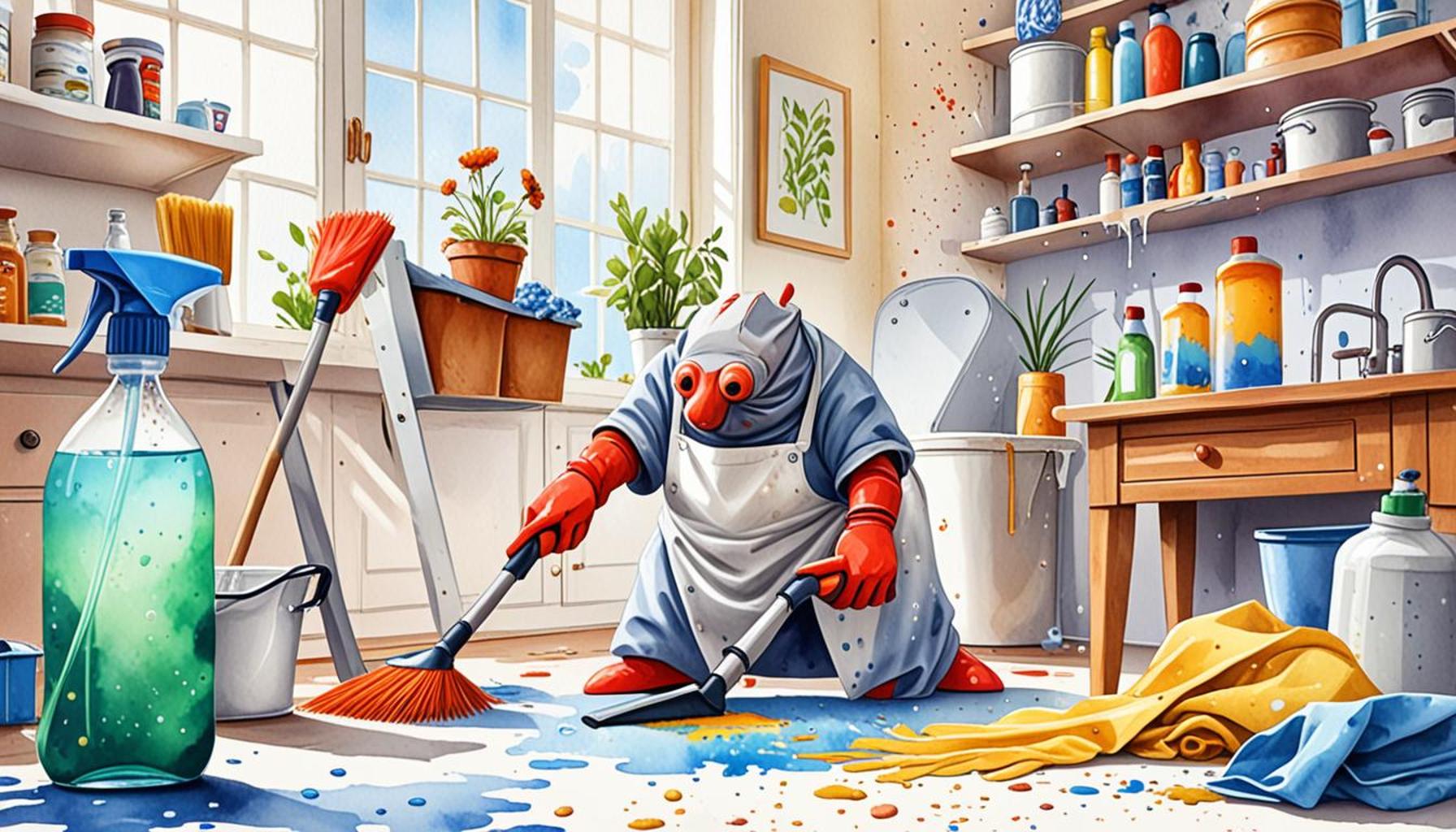
Dust mites and allergens can drastically affect your health and comfort, often lurking unnoticed in your home. These microscopic creatures thrive in warm, humid environments, making our beds, sofas, and carpets their perfect habitats. With the right deep cleaning techniques, you can eradicate these unwanted invaders and create a healthier living space.
Understanding Dust Mites
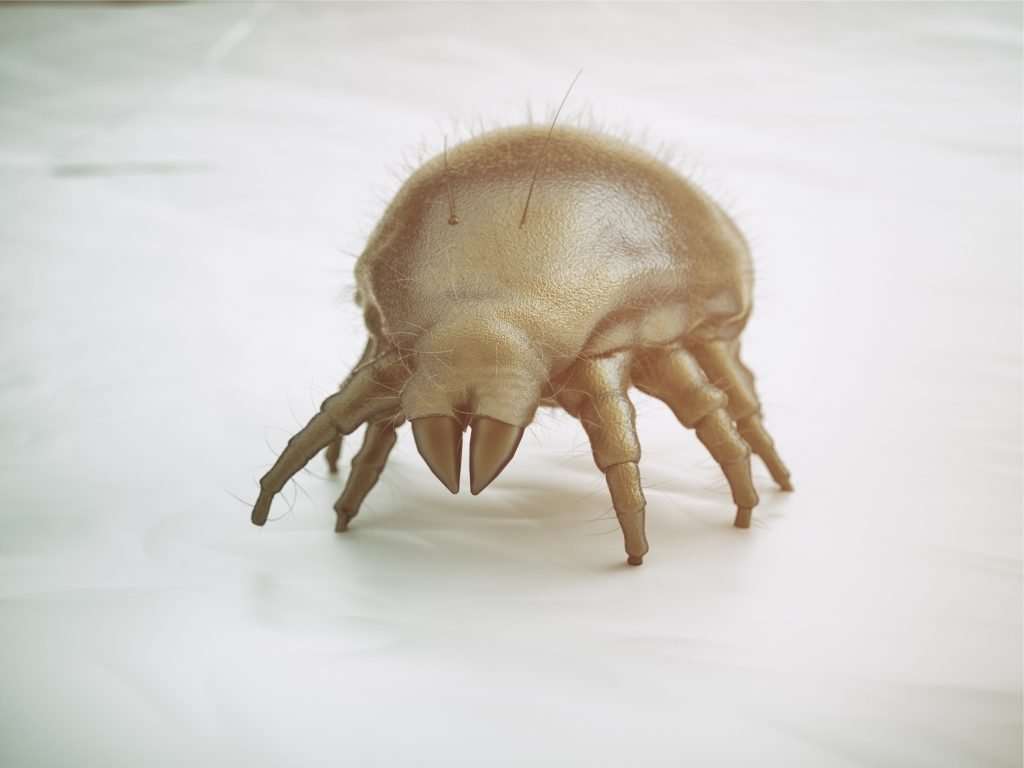
Dust mites are tiny organisms primarily feeding on dead skin cells, making our homes an ideal feast for them. To truly grasp the extent of their impact on our living spaces, consider the following facts:
- Population: A single gram of dust can contain over 15,000 dust mites, which equates to millions of dust mites residing within an average household. This astonishing number reveals how easily they can proliferate in our environment.
- Allergens: Dust mite droppings contain proteins that are potent allergens. These waste products can trigger respiratory issues, including asthma and allergies, particularly in vulnerable populations such as children and the elderly.
- Breeding areas: They thrive in areas where warmth and moisture are abundant. Common hotspots include bedding, upholstered furniture, and carpets, where they find a perfect breeding ground.
The Importance of Deep Cleaning
Regular cleaning may seem sufficient, but to truly combat the pervasive presence of dust mites, you must engage in effective deep cleaning methods. Here are some techniques that can lead to a noticeable improvement:
- Vacuuming: Invest in a vacuum with a HEPA filter, as this type of filter is specially designed to trap allergens and prevent them from being released back into the air. Regularly vacuuming carpets, rugs, and even curtains can reduce allergen accumulation dramatically.
- Washing Beddings: It’s vital to wash sheets, pillowcases, and duvet covers in hot water (at least 60 degrees Celsius) weekly. The heat effectively kills dust mites and washes away their droppings, providing a cleaner sleeping environment.
- Humidity Control: In humid regions like Nigeria, keeping indoor humidity below 50% can be challenging but essential. Utilizing dehumidifiers and ensuring proper ventilation can create an inhospitable environment for dust mites.
Taking proactive steps in deep cleaning not only fosters a cleaner home environment but also enhances your well-being. Additionally, being mindful of your indoor air quality by using air purifiers equipped with HEPA filters can further reduce allergens and improve respiratory health. It’s crucial to understand these aspects as they can empower you to combat allergens effectively, ensuring a healthier living space for you and your family. By prioritizing deep cleaning techniques, you not only purify your environment but can also maximize your overall quality of life amidst the common challenges posed by allergens in Nigerian homes.
RECOMMENDED: Check out this similar article
Identifying Common Sources of Allergens
Understanding where dust mites and allergens thrive is crucial in the battle for a cleaner home. Often, we may overlook certain areas that serve as breeding grounds for these harmful entities. Identifying these sources can allow for targeted cleaning efforts and lead to a substantial reduction in allergens within your space. Here are some key areas to pay attention to:
- Bedding: The average person spends about one-third of their life sleeping, which makes bedding a prime location for dust mites to flourish. Pillows, blankets, and mattresses accumulate dead skin cells, moisture, and warmth, providing an inviting habitat for these pests.
- Upholstered Furniture: Chairs, sofas, and cushions can be reservoirs of dust and allergens. These surfaces can trap particles and moisture, creating an ideal environment for dust mites to multiply.
- Carpets and Rugs: Floor coverings are notorious for harboring dust mites, allergens, and bacteria. Daily foot traffic breaks down matter that settles deep into the fibers, making regular deep cleaning essential.
- Soft Toys and Fabrics: Children’s toys and decorative cushions often get overlooked in cleaning routines. However, these items can also accumulate dust and carry allergens, especially if they are not regularly washed or cleaned.
Effective Deep Cleaning Techniques
In Nigeria, where heat and humidity can create the perfect breeding conditions for dust mites, implementing effective deep cleaning techniques is vital. Here are several methods that can significantly diminish allergen presence:
- Hot Water Washing: Wash all bedding, pillowcases, and any machine-washable fabrics in hot water. It is essential to maintain water temperatures of at least 60 degrees Celsius, as this will kill dust mites and eliminate allergens.
- Regular Upholstery Cleaning: Consider using steam cleaners on upholstered furniture, as this method not only deep cleans but also sanitizes surfaces. Alternatively, professional cleaning services can provide thorough cleaning options for large furniture pieces.
- Dusting: Utilize damp cloths or microfiber dusters for cleaning surfaces. These tools will trap dust particles rather than spread them around, which is especially important in high-traffic areas or spaces gathering significant dust build-up.
- Frequent Vacuuming: Aim to vacuum at least once a week using a vacuum cleaner fitted with a HEPA filter. This will ensure that allergens are effectively captured rather than circulated back into your home’s air.
Deep cleaning your environment can seem like a daunting task, but by regularly addressing these key areas and employing effective cleaning techniques, you can create a healthier living space free from dust mites and allergens. This proactive approach not only minimizes allergic reactions and respiratory discomfort but also enhances the overall quality of life for you and your family. With the right tools and knowledge, you can reclaim your home from these invisible invaders and protect your family’s well-being.
| Category | Description |
|---|---|
| Regular Vacuuming | Using a vacuum with a HEPA filter can efficiently capture dust mites and their allergens, preventing them from recirculating into the air. |
| Steam Cleaning | Employing high-temperature steam can effectively kill dust mites, providing a chemical-free method of deep cleaning that is safe for households. |
| Bedding Maintenance | Washing bedding in hot water and using allergen-proof covers can drastically reduce the presence of dust mites, promoting better sleep. |
| Air Purifiers | Utilizing air purifiers with HEPA filters can help capture airborne allergens, improving indoor air quality and reducing asthma triggers. |
Deep cleaning techniques also highlight the importance of humidity control in the home. Dust mites thrive in humid environments, making it essential to maintain humidity levels between 30-50%. Products such as dehumidifiers can be particularly effective for those living in regions with high humidity, aiding in dust mite control.Additionally, investing in allergen-friendly cleaning supplies ensures that surfaces are not only visibly clean but are also sanitized effectively. Understanding the life cycle of dust mites can provide valuable insights into when and how often to clean, allowing for a focused approach that minimizes their presence in home environments.Choosing the right cleaning methods empowers homeowners to significantly improve their well-being and that of their families. By actively eliminating dust mites and allergens, individuals can create a healthier living space that fosters better respiratory health and reduces allergy symptoms.
CHECK OUT: Click here to explore more
Advanced Techniques for Allergen Control
While the basic cleaning methods are essential in eliminating dust mites and allergens, incorporating advanced techniques can provide an added layer of protection for your home. In Nigeria, where the climate can exacerbate allergen exposure, being proactive with these strategies will help in creating a healthier environment:
- Encasing Bedding: Invest in dust-mite-proof covers for your mattresses and pillows. These specialized encasements create a barrier that prevents dust mites from infiltrating your bedding, effectively reducing exposure to allergens. Regularly check for integrity, as tears can compromise their protective function.
- Air Filtration Systems: Utilizing air purifiers with HEPA filters can significantly enhance indoor air quality. These devices trap fine particles, including dust mite droppings and allergens, circulating clean air throughout your living space. Positioning them in common areas and bedrooms can maximize their efficacy.
- Humidity Control: Dust mites thrive in humidity levels above 50%. Investing in dehumidifiers can keep moisture levels low, making your home less hospitable to these pests. In areas particularly prone to humidity, such as kitchens and bathrooms, utilizing exhaust fans can also help reduce moisture levels.
- Natural Cleaning Agents: Many conventional cleaning products release volatile organic compounds (VOCs) that can aggravate allergies. Opting for natural cleaning agents, such as vinegar and baking soda, not only minimizes chemical exposure but also effectively combats allergens without harmful residues.
- Regular Window Cleaning: Windows are often overlooked in cleaning regimes, but they can accumulate dust and pollen that contribute to allergies. Use a damp cloth to clean window frames and sills regularly. Additionally, fitting your windows with mesh screens can help keep outdoor allergens at bay.
- Grooming Pets: If you have furry companions, grooming them frequently can help reduce the amount of pet dander in your home. Regular baths and brushing will not only keep your pets clean but also minimize allergen spread, particularly for households prone to allergic reactions.
Additionally, incorporating indoor plants can also serve dual purposes: enhancing your decor while improving air quality. Certain species, such as the peace lily and spider plant, have been shown to reduce indoor pollutants, contributing to a healthier atmosphere. However, be cautious as some plants can harbor mold if not properly maintained.
Understanding the science behind dust mite growth and allergens is a significant part of the cleaning strategy. Studies reveal that these microscopic pests reproduce at exponential rates in unclean environments, particularly where moisture and organic matter are prevalent. This understanding can compel homeowners to implement rigorous cleaning schedules for both major and minor items.
As you embark on your deep cleaning journey, remember that consistency is key. Schedule regular cleaning sessions and monitor humidity levels in your home to establish a routine that actively combats dust mite proliferation. By being diligent and informed, you can significantly reduce allergens and create a protective bubble for your health and well-being.
ADDITIONAL INSIGHTS: Expand your understanding here
Conclusion: Creating a Healthier Home Through Deep Cleaning
As we have explored, deep cleaning is a vital process in the battle against dust mites and allergens, particularly in regions like Nigeria where environmental factors can intensify allergic reactions. By integrating both basic and advanced methods, you can dramatically reduce the presence of these irritants in your home, fostering a more comfortable living space.
The importance of encasing bedding, utilizing effective air filtration systems, and managing humidity cannot be overstated. These strategies not only curb dust mite infestation but also enhance overall indoor air quality, which is essential for anyone suffering from allergies. Moreover, opting for natural cleaning agents and maintaining a regular cleaning schedule will minimize the risk of chemical exposures that can aggravate allergic conditions.
Additionally, by implementing simple practices like grooming pets and enhancing your home with low-maintenance indoor plants, you can further mitigate allergen exposure while improving aesthetic appeal. Remember, a consistent approach to cleaning and monitoring your home environment is crucial in keeping dust mites at bay.
In conclusion, a proactive stance towards deep cleaning practices will not only diminish allergens but also promote overall health and well-being for you and your loved ones. Embrace these methods, and empower yourself to take charge of your indoor environment. For those keen on learning more about maintaining a healthier home, continuous research and adaptation of cleaning techniques will pave the way for a brighter and allergen-free future.