
Eco-Friendly Cleaning Techniques: How to Keep Your Home Free from Harmful Chemicals
The Importance of Eco-friendly Cleaning in Nigeria
Maintaining a clean home is more than just aesthetic; it’s about fostering a healthy sanctuary for our families. Traditional cleaning products are often laden with harmful chemicals. These substances not only pose health risks, such as respiratory issues and skin irritations, but they also contribute to environmental degradation. In a world increasingly aware of sustainability, seeking cleaning alternatives that are effective yet safe has become essential.
Across Nigeria, the adoption of eco-friendly cleaning techniques is gaining momentum as more households recognize the need to reduce their environmental footprint. Embracing these innovative cleaning methods doesn’t just create a cleaner living space—it promotes a healthier community. Some of the most popular eco-friendly approaches include:
- Natural ingredients: Staples like vinegar, baking soda, and lemons serve as versatile cleaning agents. For instance, vinegar can cut through grease, while baking soda works wonders for scrubbing surfaces and neutralizing odors.
- Biodegradable products: Many commercial cleaning products now offer biodegradable options. These products are designed to break down easily, reducing waste and pollution. Look for labels that indicate eco-friendliness when shopping.
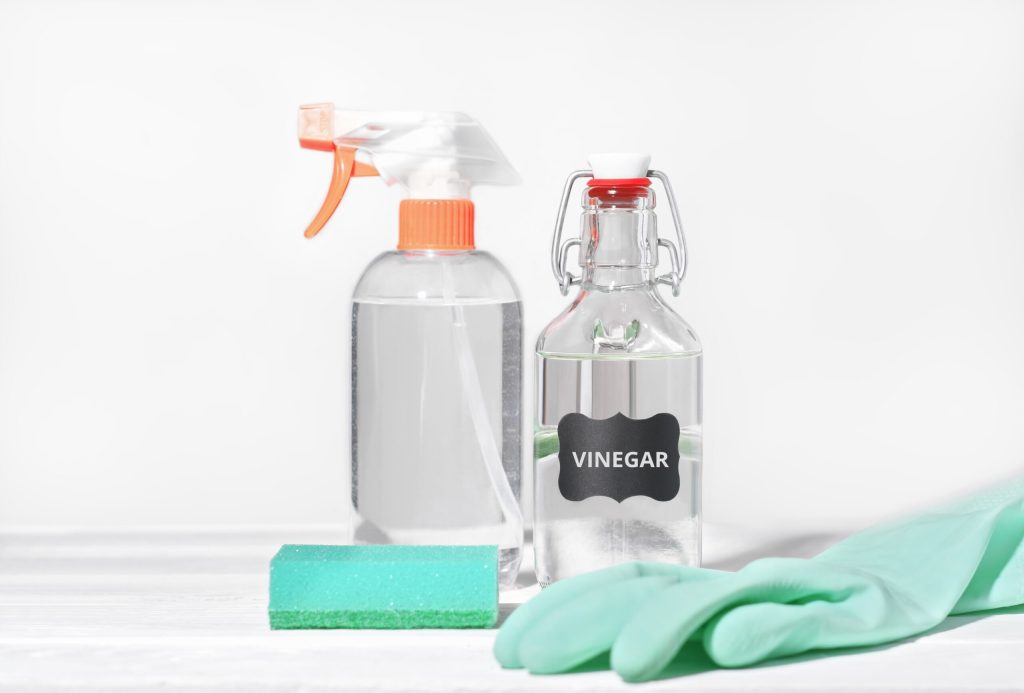
- DIY methods: Creating your own cleaning solutions is not only simple but can be quite economical. For instance, combining equal parts of water and vinegar in a spray bottle can yield an excellent all-purpose cleaner.
Incorporating these methods into daily routines has profound benefits. Not only do they promote a cleaner living environment, but they also contribute to protecting Nigeria’s vibrant ecosystems. For example, conventional cleaning agents often find their way into waterways, harming aquatic life and disrupting local biodiversity. By choosing eco-friendly options, you’re making a conscious effort toward environmental stewardship.
Moreover, the impact of our choices extends beyond our homes. When families in Nigerian communities come together to adopt sustainable cleaning practices, they create a ripple effect of awareness and change. This communal effort streamlines the transition towards a greener future, encouraging further education on the benefits of eco-friendly products.
Join the movement towards a cleaner, greener home, and equip yourself with knowledge about eco-conscious cleaning techniques. The journey to a sustainable lifestyle is filled with small yet impactful steps. In the sections that follow, we’ll delve deeper into specific eco-friendly practices that you can easily adapt to your cleaning routines. Each step taken not only cleans your home but also safeguards the health of your family and the planet.
SEE ALSO: Click here to read another article
Exploring Natural Ingredients for Effective Cleaning
One of the most fundamental shifts towards eco-friendly cleaning involves incorporating natural ingredients into your routine. In Nigeria, the availability of common household items that double as powerful cleaning agents makes it easier to transition to safer alternatives. Ingredients like vinegar, baking soda, and lemon juice are not only effective but also environmentally benign. Let’s take a closer look at how these natural options perform and how to incorporate them into your cleaning regimen.
- Vinegar: This ubiquitous kitchen staple is excellent for cutting through grime and stains. Its acidity makes it a natural disinfectant, capable of killing bacteria and deodorizing surfaces. Mix equal parts of vinegar and water in a spray bottle for an effortless glass cleaner. A simple wipe-down with this solution can leave your windows sparkling clean without the noxious fumes of commercial products.
- Baking Soda: Known for its versatility, baking soda excels in scrubbing away stubborn stains and absorbing unpleasant odors. It can be sprinkled on carpets before vacuuming to lift odors, or mixed with a small amount of water to form a paste that can tackle tough spots on countertops. This humble ingredient fosters a fresh and inviting atmosphere without harming your indoor air quality.
- Lemon Juice: The high acidity of lemon juice not only makes it a natural cleaner but also adds a delightful fragrance to your cleaning routine. It can be used to eliminate hard water stains and is particularly effective in brightening up fabrics. A solution of lemon juice and water can be sprayed on surfaces to remove grease and grime while imparting a zesty scent throughout your home.
By utilizing these natural cleaning ingredients, you contribute to a sustainable cleaning culture that minimizes toxic runoff. It’s crucial to understand that conventional cleaning agents can introduce hazardous chemicals into your home and the environment. For example, many of these products contain substances like phosphates and ammonia, which can cause environmental harm when drained into local water systems. Adopting these natural alternatives not only lessens your family’s exposure to harmful chemical residues but also supports the health of Nigeria’s waterways and wildlife.
Furthermore, these eco-friendly solutions can be particularly advantageous in households with children and pets, who are often more sensitive to irritants. As communities become aware of the impacts of traditional cleaning products, the shift towards more sustainable cleaning practices brings about a collective benefit, fostering healthier living spaces for everyone. As we continue this exploration into eco-friendly cleaning techniques, the next section will unveil more innovative DIY methods that you can easily implement in your daily cleaning activities.
| Eco-Friendly Method | Benefits |
|---|---|
| Vinegar and Baking Soda | Natural disinfectant and odor eliminator. |
| Lemon Juice | Effective stain remover and natural brightener. |
| Castile Soap | Biodegradable and non-toxic cleaning option. |
| Essential Oils | Natural fragrances and antimicrobial properties. |
In our journey towards an eco-friendly home, it’s essential to consider various natural products that can effectively replace traditional, chemical-laden cleaners. Vinegar and baking soda combine to create a powerful duo for tackling stains and combating odors, making them a staple in many households. Moreover, lemon juice not only acts as a potent stain remover but also provides a refreshing scent, elevating the cleaning experience while enhancing the brightness of surfaces.Castile soap stands out as a versatile, biodegradable cleaner, perfect for those seeking a non-toxic option that works effectively on various surfaces. Additionally, incorporating essential oils can transform ordinary cleaning routines into aromatic experiences, while also providing antimicrobial benefits, thereby addressing both cleanliness and wellness in your home.With these eco-friendly techniques, homeowners can confidently navigate the cleaning process without compromising their family’s health or the environment. Embracing these approaches leads to creating a safer living space, free from harmful chemicals. Exploring further into these methods can reveal even more hidden benefits and enhance your cleaning arsenal.
SEE ALSO: Click here to read another article
Innovative DIY Cleaning Solutions
In addition to utilizing common household staples, the world of eco-friendly cleaning offers a variety of innovative DIY solutions that are not only effective but also easy to create. These methods empower you to harness the potential of natural ingredients while adding a personal touch to your cleaning routine, eliminating the need for store-bought cleaners laden with artificial chemicals.
- Essential Oil Infusions: Incorporating essential oils into your cleaning mixtures not only enhances their effectiveness but also adds pleasing scents that transform your cleaning experience. Oils such as tea tree, lavender, and eucalyptus possess natural antibacterial properties. A simple DIY cleaner can be made by mixing water, white vinegar, and a few drops of your chosen essential oil in a spray bottle. This solution can be used to wipe down kitchen counters, bathrooms, or even as an air freshener. The aromatic addition turns cleaning from a chore into a fragrant chore, reinforcing positive associations with maintaining a tidy home.
- Castile Soap: Derived from vegetable oils, Castile soap is a versatile and biodegradable soap that can be used for various cleaning tasks. A mixture of Castile soap and water makes for a gentle yet effective surface cleaner safe for households with pets and children. It can be diluted with water to create a dish soap or even a laundry detergent, providing an all-in-one cleaner that minimizes the need for multiple products, saving both money and storage space.
- Cornstarch for Windows and Dusting: Cornstarch is an excellent alternative for those who seek a simple way to polish windows and dust surfaces. When mixed with a bit of vinegar or water, cornstarch can create a streak-free cleaner perfect for glass surfaces. Additionally, a sprinkle of cornstarch on furniture can help attract dust, allowing for a more efficient dusting session without the use of chemical sprays.
As Nigerian households adjust to new cleaning norms, it is vital to recognize the cultural context in which these eco-friendly techniques can thrive. For example, the use of local plants such as neem and ginger, renowned for their natural antiseptic properties, has seen a resurgence in modern cleaning methods. Leveraging indigenous knowledge about these plants can enhance cleaning innovation while supporting local agriculture.
Moreover, engaging children in the cleaning process using these DIY approaches can instill a sense of responsibility and environmental awareness from an early age. These interactions not only teach practical skills but also cultivate a stronger appreciation for sustainable living.
Aside from the health benefits, adopting eco-friendly cleaning practices can lead to financial advantages. By creating your own cleaning products, you drastically reduce the need to purchase pre-packaged items, contributing to a reduction in plastic waste. In a country like Nigeria, where waste management can be a challenge, every little effort counts towards making a more sustainable impact.
As you embrace these innovative DIY cleaning solutions, you will discover that cleanliness need not come at the expense of personal health or the environment. The next segment of our exploration will dive deeper into specific cleaning strategies tailored to address various areas of your home using these eco-friendly methods.
RECOMMENDED: Check out this similar article
Embracing a Greener Clean
In conclusion, adopting eco-friendly cleaning techniques offers a multitude of benefits that extend beyond just a sparkling home. By utilizing natural ingredients like vinegar, baking soda, and essential oils, you can effectively eliminate harmful chemicals from your cleaning routine, safeguarding both your family’s health and the environment. As we’ve explored, the innovative DIY cleaning solutions available allow for creativity while providing a safer alternative to conventional products.
Importantly, these methods align with traditional practices that have been part of Nigerian households for generations. The integration of local plants such as neem and ginger not only enhances cleaning efficacy but also fosters a stronger connection to our cultural heritage. Engaging family members—especially children—in these eco-conscious practices cultivates a sense of responsibility and promotes an enduring respect for our planet.
Additionally, the financial incentives of homemade cleaning products cannot be overlooked. By investing time in creating your own cleaners, you significantly reduce reliance on store-bought items, contributing to less plastic waste and easing the burden of waste management within our communities. Every small step towards a greener cleaning routine contributes to a larger movement for sustainability.
As you begin your journey towards eco-friendly cleaning, consider the strategies expressed in this article as a starting point. Challenge yourself to explore further, experiment with local ingredients, and discover new, sustainable methods. Your commitment to a chemical-free home not only creates a healthier living space but also exemplifies a proactive stance in the broader fight against environmental degradation. Together, we can create homes that are not only clean but also safe and nurturing for future generations.